

・3 min read
Koinly vs CoinTracker: Which crypto tax software is better?
Koinly vs CoinTracker: Compare features, supported exchanges, blockchain integrations, tax reports, pricing, and ease of use to find the best crypto tax tool.
Koinly vs CoinTracker: Compare features, supported exchanges, blockchain integrations, tax reports, pricing, and ease of use to find the best crypto tax tool.

Summ (formerly CryptoTaxCalculator) vs CoinTracker: Compare features, supported exchanges, blockchain integrations, tax reports, pricing, and ease of use to find the best crypto tax tool.

CoinLedger vs CoinTracker: Compare features, supported exchanges, blockchain integrations, tax reports, pricing, and ease of use to find the best crypto tax tool.
CoinTracker is the #1 crypto tax and portfolio tracking app, trusted by 3M+ users.
A Reddit post described running the same Solana transaction through five different crypto tax tools — four got it wrong, and CoinTracker was the only one that got it right.
One simple DeFi transaction. Five different platforms. Five completely different interpretations of what happened.
The transaction? A simple transaction on Kamino Finance.
Transaction hash:
3gz3o54iaYx33QYCjbEie3xbqbuWCDcmNN8ggPv828RibJpLydXFKW
eHBKWpRqTXDhhxFF8U2iC5t6g2GvHY8A5Q
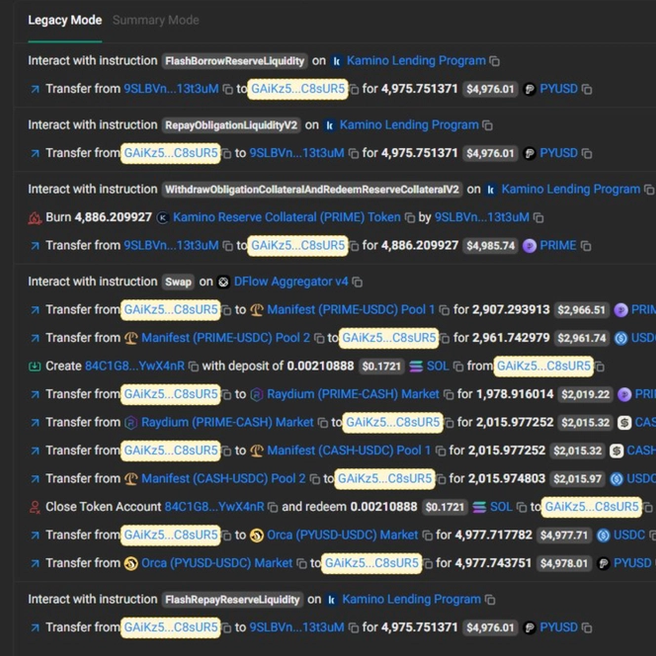
Here a user performed a flashloan on Kamino. While this may sound complex, it’s a single transaction that Kamino simplifies for users down to a single deposit/withdrawal action.
The result is a series of events:
So what’s the big deal? You may have dabbled in DeFi over the last year and created some similarly ‘simple’ transactions. With tax season around the corner, you may be thinking that any crypto tax product or even Claude will handle your crypto taxes for you.Guess again. I tested this one transaction across 5 different products and each one represented it completely differently from one another. One product even tries to convince you that their treatment is accurate and “reviewed” which is far from the truth. Lets take a look.
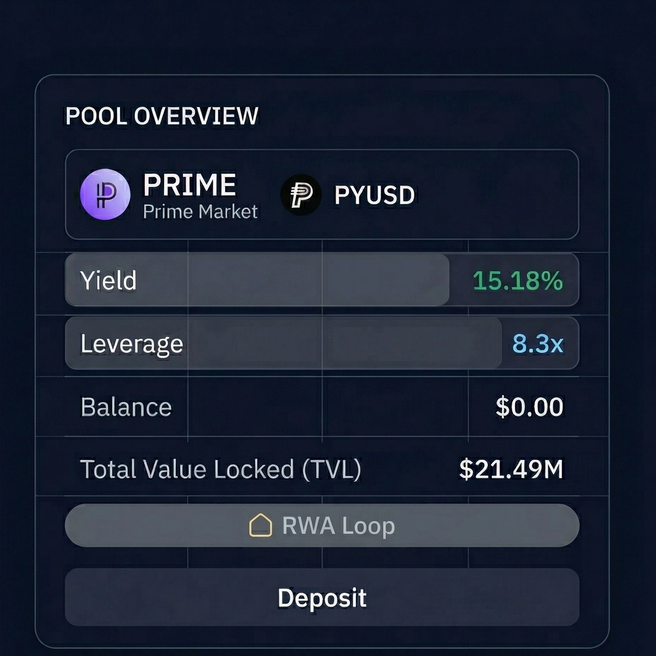
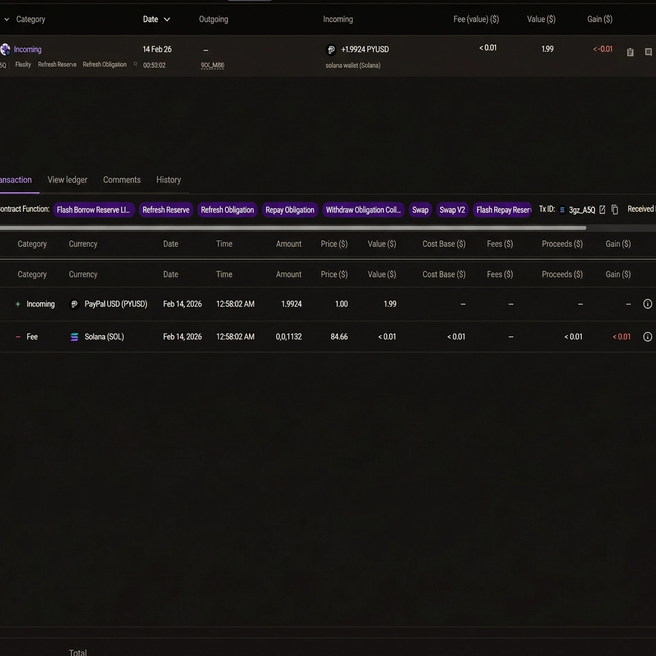
The first solution (and many others which you'll see below) frankly has no idea what’s happening here. Many of the transaction’s asset flows are completely ignored and we’re left with a SOL gas fee and a PYUSD receive.
While this may look clean, many events took place within the transaction, each resulting in it’s own tax treatment. Those events are completely ignored and there is no gain/loss calculated here at all.
We will see a similar trend with many products here - by netting asset flows, they are taking shortcuts to reduce the engineering burden necessary to provide users with accurate solutions.
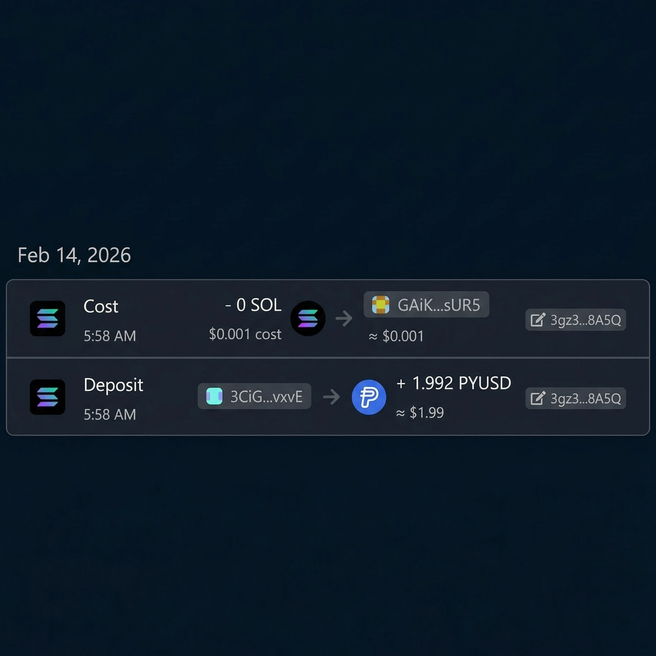
The next solution takes a similar approach and only shows a variation of the net result of the flows and fees.
Similarly, this one is ignoring many events within the transaction, but this one explicitly marks the whole transaction as non-taxable. Any legitimate crypto tax expert will confidently tell you this transaction certainly has some taxable events.
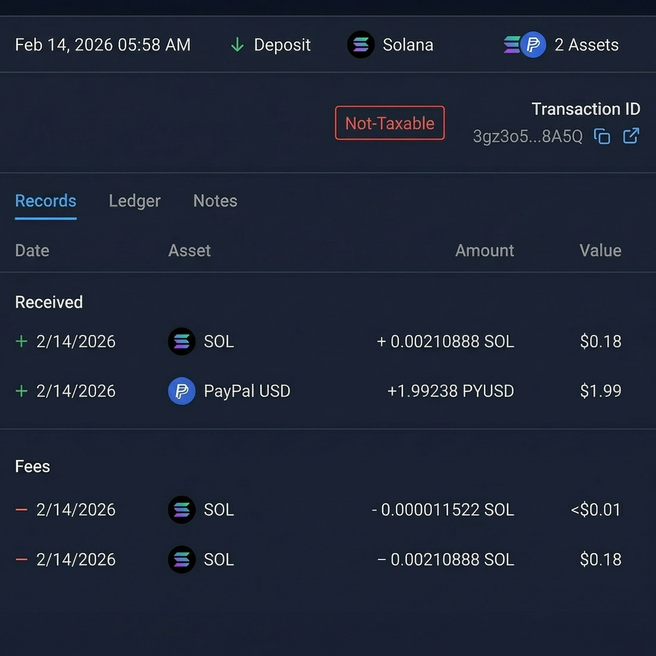
We’re noticing a pattern here with solution 3 also netting the asset flows.
This solution again treats the transaction as non-taxable without prominently calling it out.
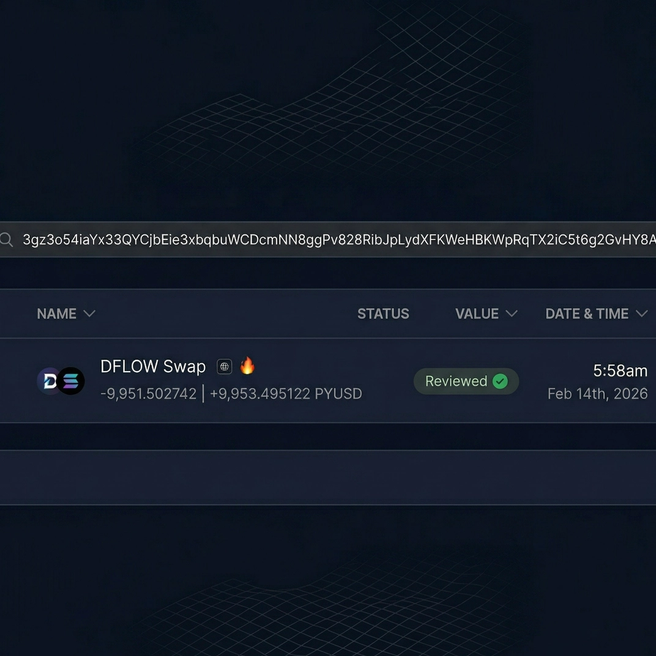
This solution presents the most ridiculous solution to this transaction. Not only does it net the flows again (in a confusing manner), but it also marks the transaction as ‘Reviewed,’ giving users a false sense of accuracy here.
Not only does this ignore many of the taxable events, which we saw earlier, but this product also tricks you into thinking its handling the transaction accurately.
Well, now that we’ve seen the ways in which crypto tax products have taken shortcuts to make their lives easier, lets take a look at how this SHOULD be handled by a crypto tax product.
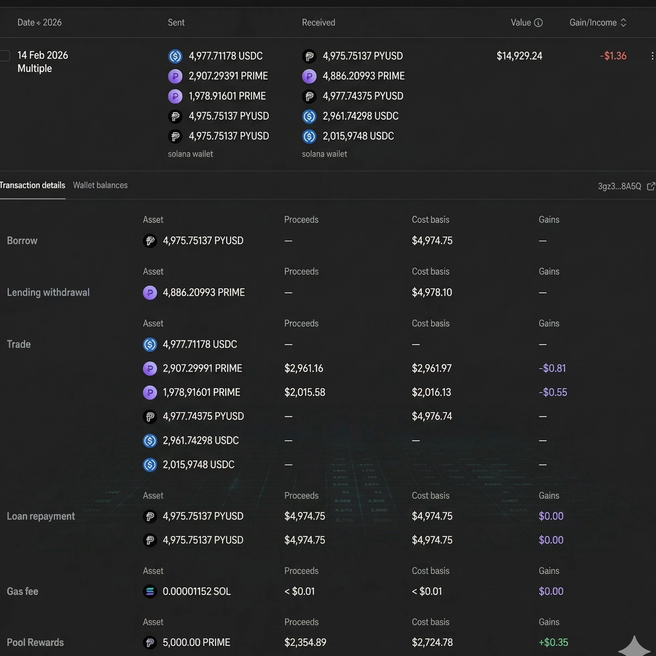
CoinTracker does not take the shortcuts we’ve seen above. There are no netting of asset flows here because each flow represents a critical part of the tax equation. Instead, CoinTracker shows each individual flow and accurately categorizes each component of this transaction, resulting in correct gains/losses and tracking of lending balances.
While the overall tax impact of this transaction is not large, this has downstream impacts to future transactions and helps paint the picture of what other errors you can expect in each product, given the shortcuts they’ve taken. A similar transaction with larger asset quantities or a series of back to back transactions can easily result in misreporting thousands of dollars of gains or losses.
While no crypto tax product is perfect today and you should expect to have to do some manual reconciliation when filing your crypto taxes, there are foundational differences that reflect the approach each product has taken. This is just one example transaction, but the same patterns present themselves across many integrations (DeFi and CeFi). On one hand, we’ve seen products prioritize their own needs by taking shortcuts when building their integrations. On the other, we see a product which prioritizes accuracy for users to reduce their risk of getting audited.
If you have any questions about any crypto tax solution (I’ve tried them all), I’m here to help!
@khalidakbary
In general, there are four major taxable events you must include when filing your crypto taxes:
• Selling cryptocurrency for a fiat currency (e.g., USD or EUR)
• Trading cryptocurrency for other digital assets
• Using cryptocurrency to buy goods or services
• Receiving cryptocurrency from a hard fork upgrade or passive income opportunities like mining, staking, or yield farming
Explore more details in our crypto tax guide.
Crypto tax software like CoinTracker automates transaction tracking, calculates capital gains/losses, and generates tax forms (Form 8949 & Schedule D). It syncs with exchanges and wallets, reducing errors and simplifying compliance, and saving you time during tax season.
CoinTracker supports 500+ integrations, including major exchanges (like Coinbase, Binance, and Kraken), wallets (like MetaMask, Ledger, and Trust Wallet), and blockchains (like Ethereum, Bitcoin, and Solana). You can also upload CSVs or connect via API for seamless syncing.
CoinTracker offers a free plan for portfolio tracking and basic features. For tax reporting, paid plans start around $59/year and scale based on your transaction volume. Higher tiers support advanced features like tax-loss harvesting and high-frequency trading.
Check CoinTracker’s pricing page for the most up-to-date details.